The Oldest Truth: Trade
Picture this: thousands of years ago, a lone trader wakes at dawn in ancient Mesopotamia.
He loads his cart with grain, hoping to trade for salt, cloth, or some rare delicacy from faraway lands.
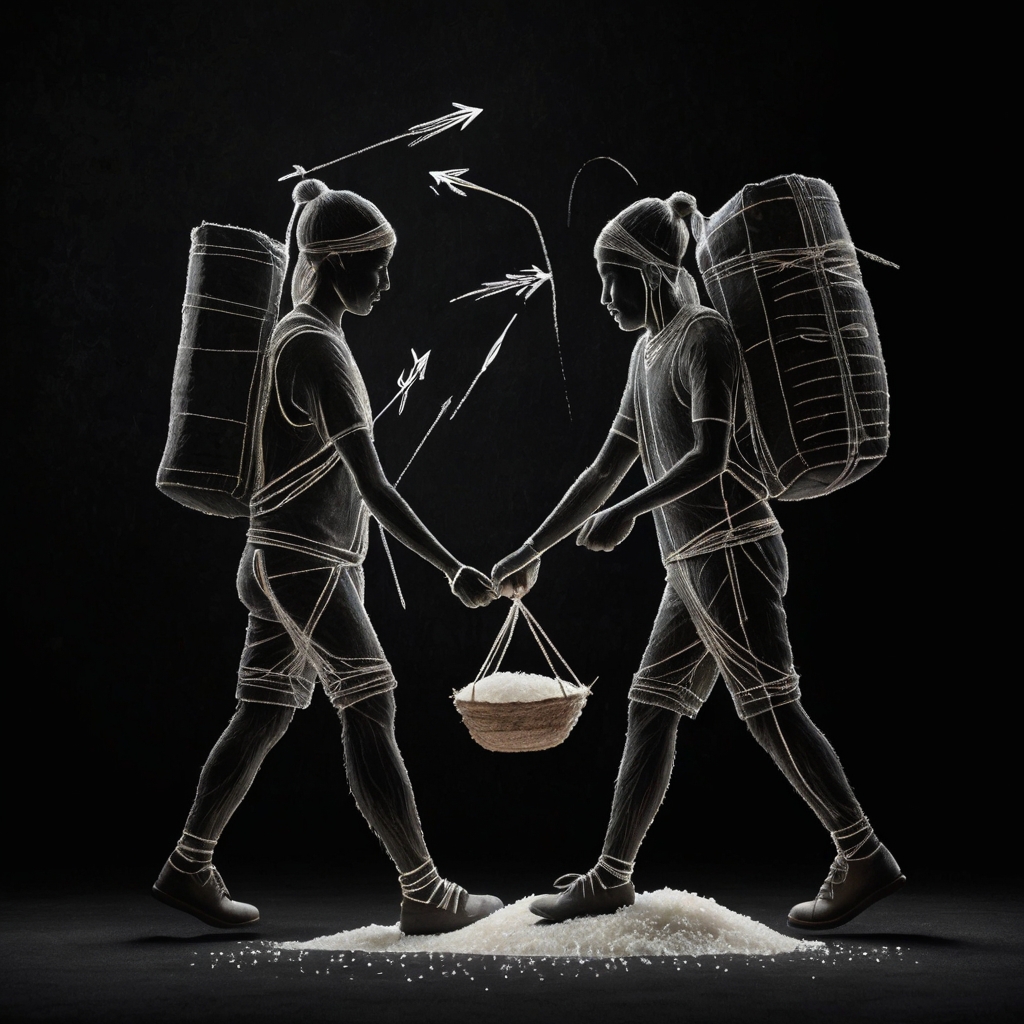
His path is uncertain, full of risks and rewards—but it is movement that fuels his ambition, and ultimately, entire civilizations.
Every society you’ve heard of—Mesopotamia, Rome, the modern United States—was built on a single foundation: trade.
It began simply: a farmer with extra grain met a hunter with more meat, and they exchanged. But humanity’s greatest leap came with a realization:
“If I can move what I have, I can get what I don’t.”
That’s why the Silk Road was legendary, why empires built port cities and powerful navies, and why ancient kings protected their trading caravans.
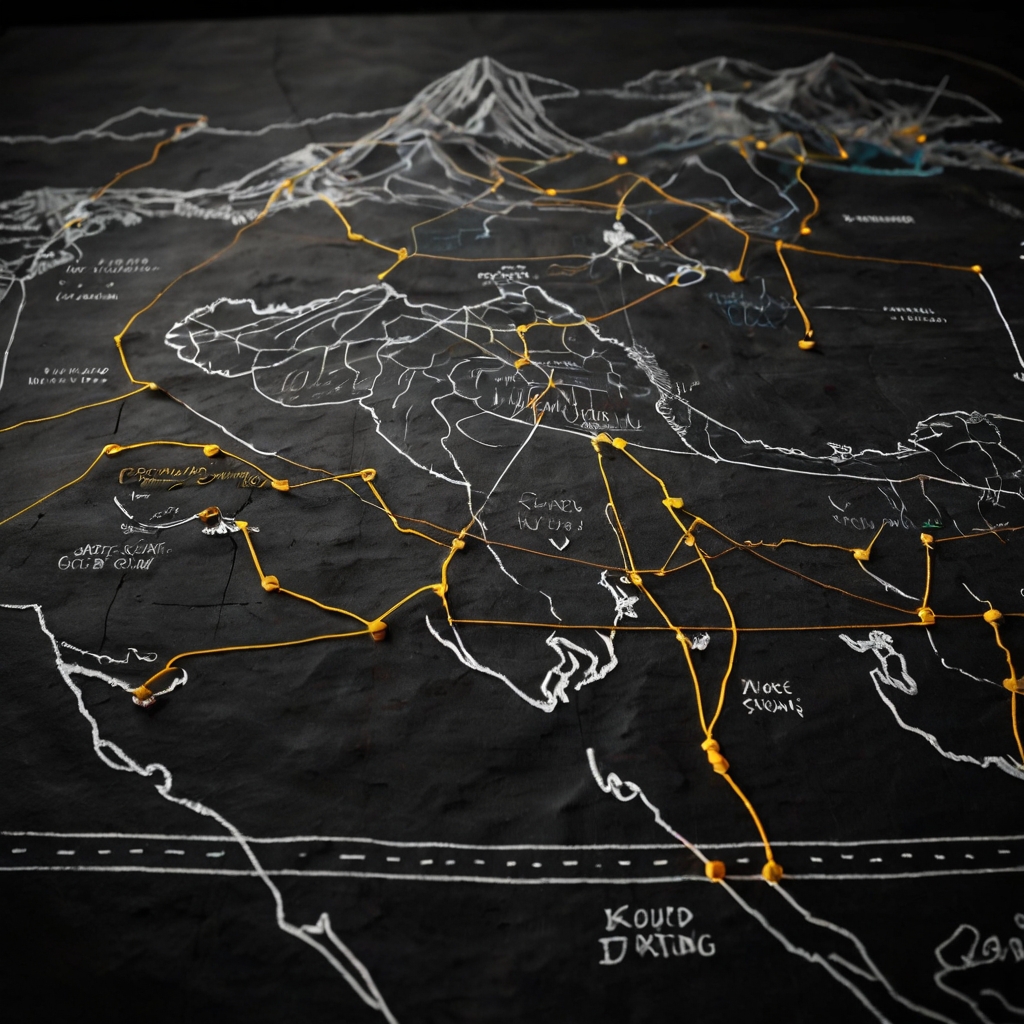
Whoever controlled the routes, controlled the wealth.
Trade isn’t just about goods—it’s about connection, survival, and power.
And at the center of it all is movement.
Two Foundations of Trade
As people grew smarter, we invented ways to make trading smoother:
Barter was the beginning.
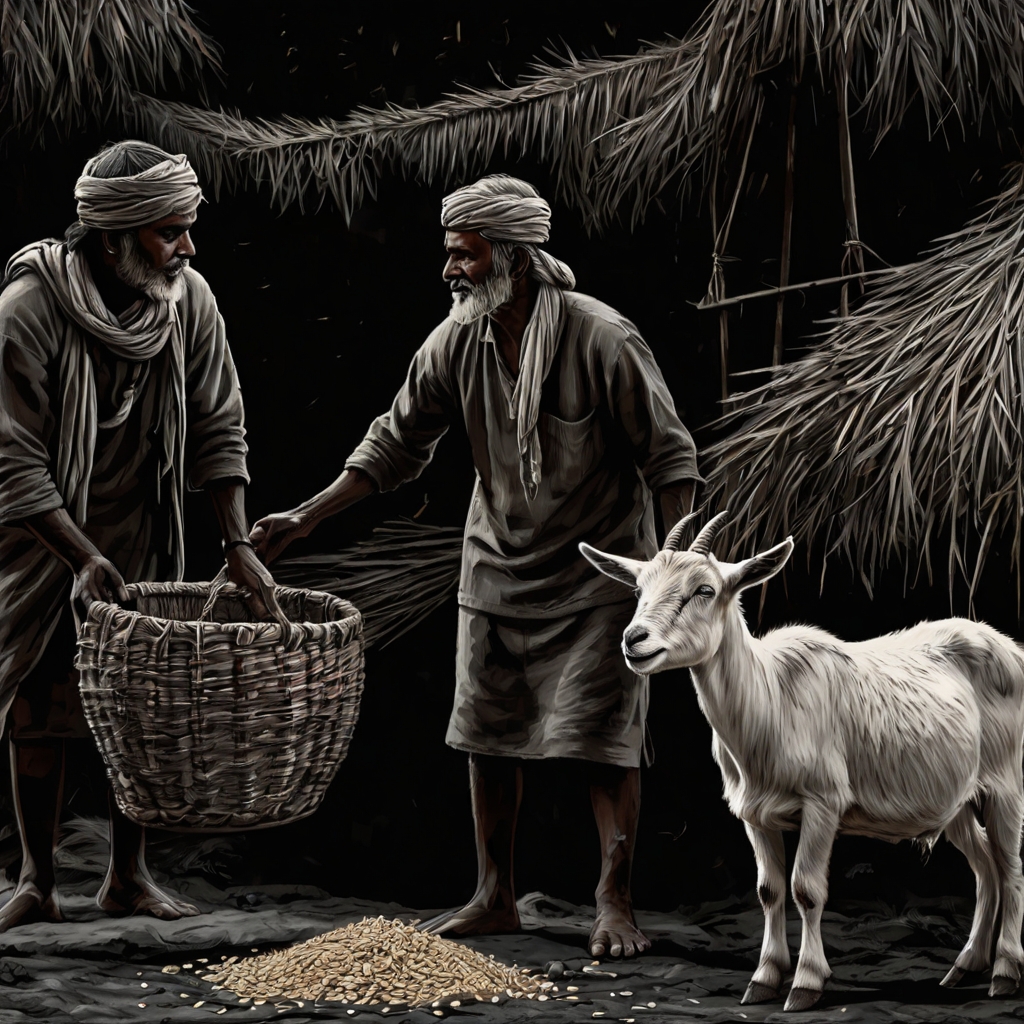
Early villages thrived on direct exchanges.
But what if you had rice and needed shoes, but the shoemaker had no use for rice?
The system hits a roadblock.
Enter money—first shells, then gold coins, then printed paper, and now digital wallets.
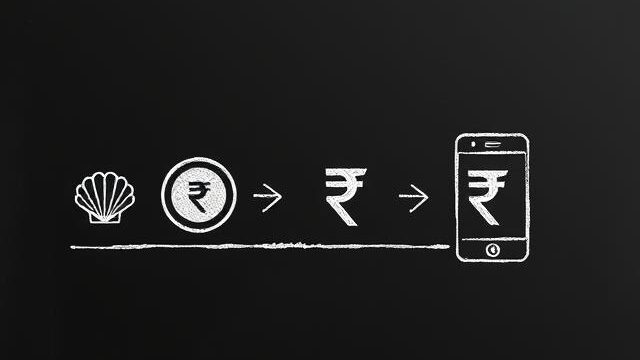
Money solved the barter problem, becoming a symbol of value and trust.
But money brought challenges too:
- Inflation: Money can lose value over time.
- Manipulation: Central authorities can control supply.
- Inequality: Those closest to the money source gain more.
Even today, whether it’s the US dollar or Bitcoin, the main purpose hasn’t changed—trade solves the gap between “what I have” and “what I need.”
And every solution still demands movement.
Why Humans Move
Ever wondered why you leave home each day?
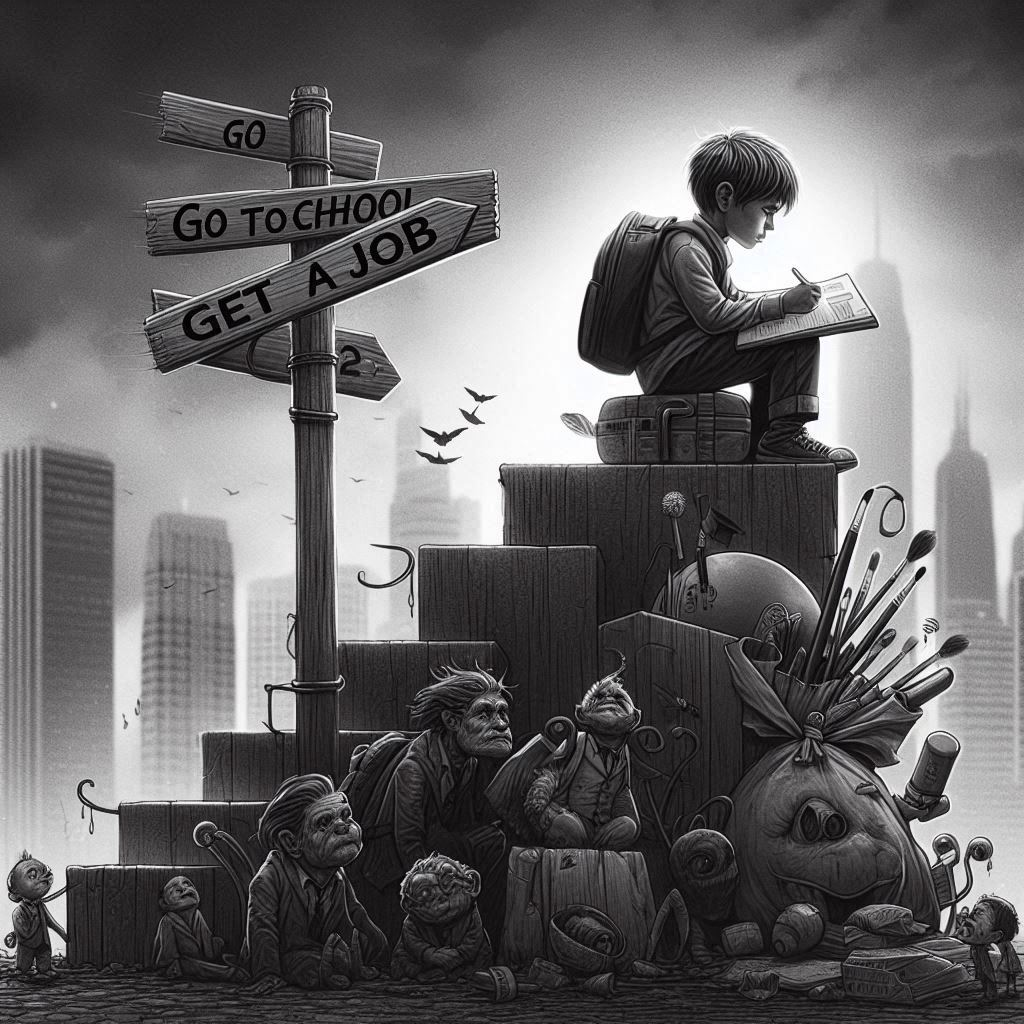
To go to school. To go to work. To shop.
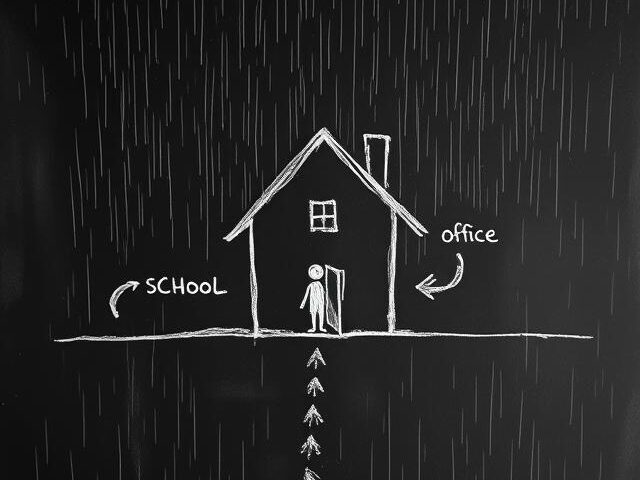
But look closer: behind every journey is the hidden driver of value exchange.
- A student moves for knowledge—a future currency.
- A worker moves for money.
- A shopper moves to reach what isn’t available at home.
Migration tells the same story—people leave villages for cities and countries for better opportunity, safety, or growth.
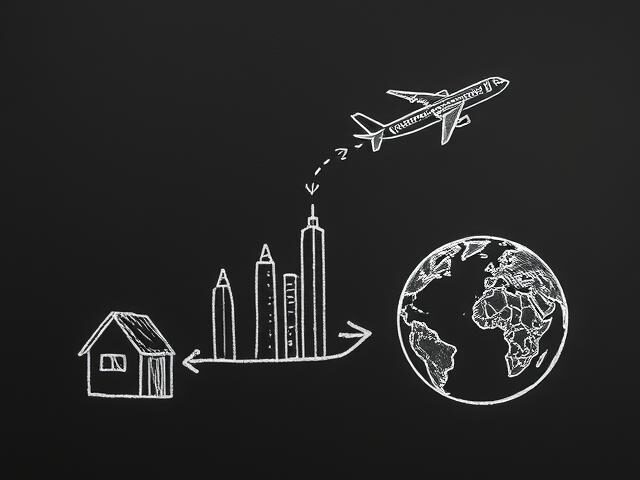
Movement is in our DNA.
Stagnation is decay; to survive, we must expand.
The System of Movement
Look around today—an invisible system connects every human need to its solution:
- Logistics giants (Amazon, FedEx, DHL) moving goods.
- Digital platforms (Uber, Zomato, Airbnb) making connections happen.
- Human capital flowing in job markets and gig work.
In our daily lives:
- Goods move.
- People move.
- Money moves.
- Data moves.
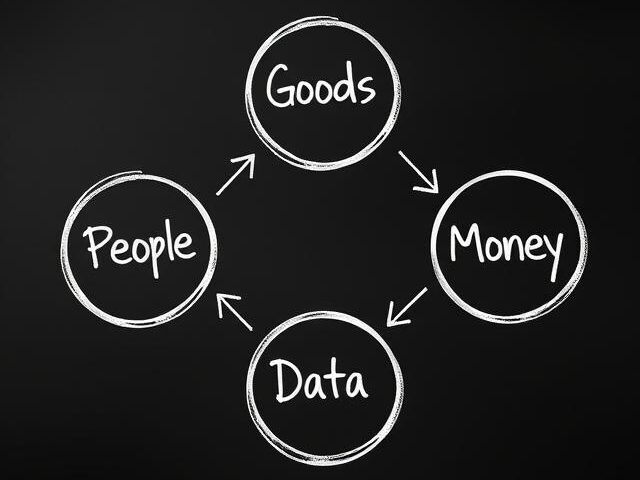
Behind every simple act—ordering food, booking a cab, sending money online—is a complex web of movement connecting you to the world.
Whoever controls movement—goods, people, money, or information—shapes the future.
Movement = Profit
Why do companies expand globally?
Why does every startup dream of scaling?
Why do governments fight over trade routes?
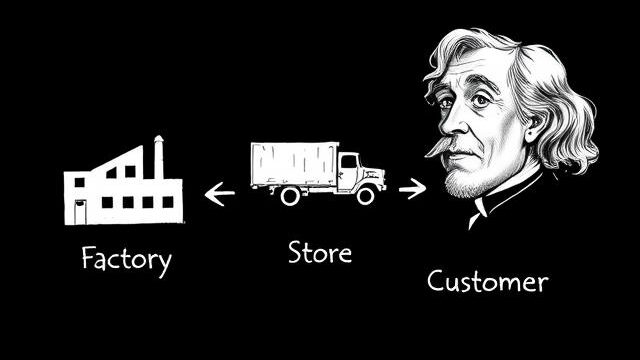
Because movement means profit.
A company isn’t just selling products—it’s selling access.
A freelancer offers not just skills, but mobility of value.
A country builds roads not just for connectivity, but as arteries of economic life.
Even wars, sadly, were often fought for resources and the power of routes.
The Bigger Picture
Step back, and the pattern is clear:
- People move for survival and growth.
- Businesses move for profit.
- Economies move to sustain cycles.
- Civilizations move forward—or collapse—based on how they adapt.
Movement isn’t chaos. It’s the backbone of progress.
Where there’s no movement, there’s decay. Where there’s smart movement, there’s wealth, culture, and innovation.
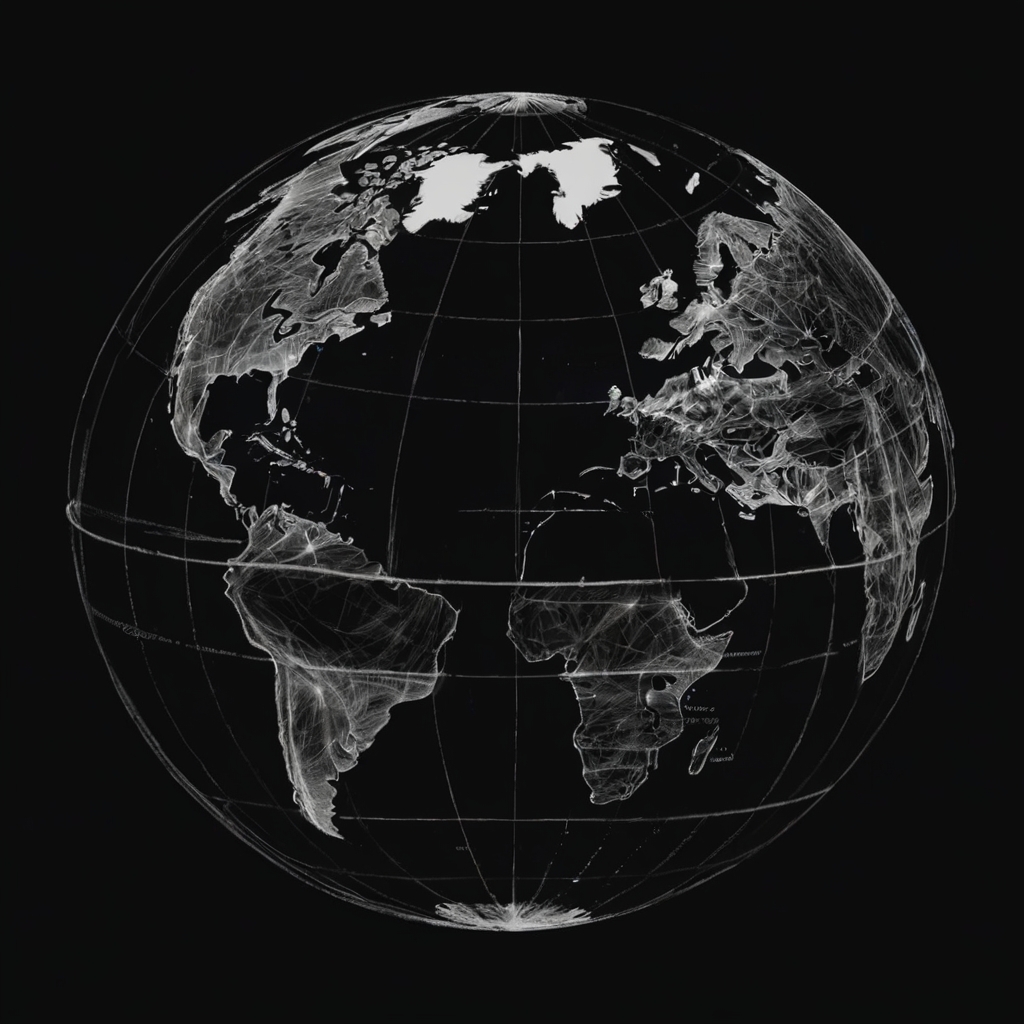
The world isn’t just made of countries, companies, or currencies.
It is built on constant motion.
Before You Go
Next time you buy something online, hop onto a train, or send a payment, remember:
You’re participating in a system older than empires—one that connects us all and drives the world forward.
How will you use movement to create value in your own life?
Share your thoughts below!
If this changed your perspective, my The One-Person Empire Guide gives you the tools to build your own system.
Or, if you run a business and want help creating digital presence → DM me.